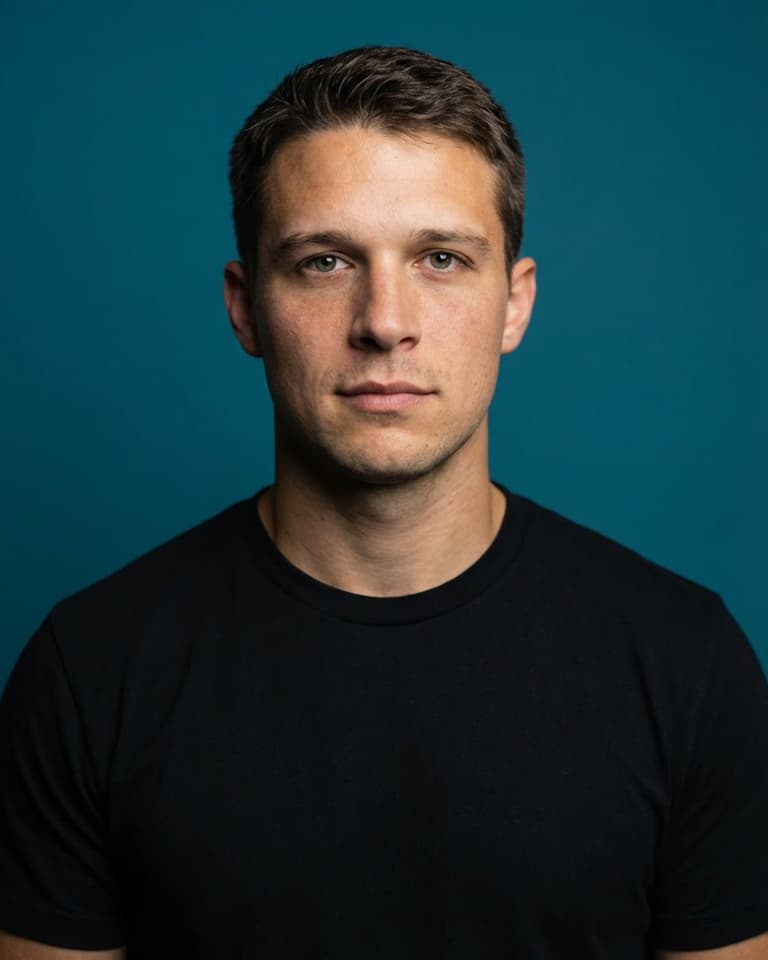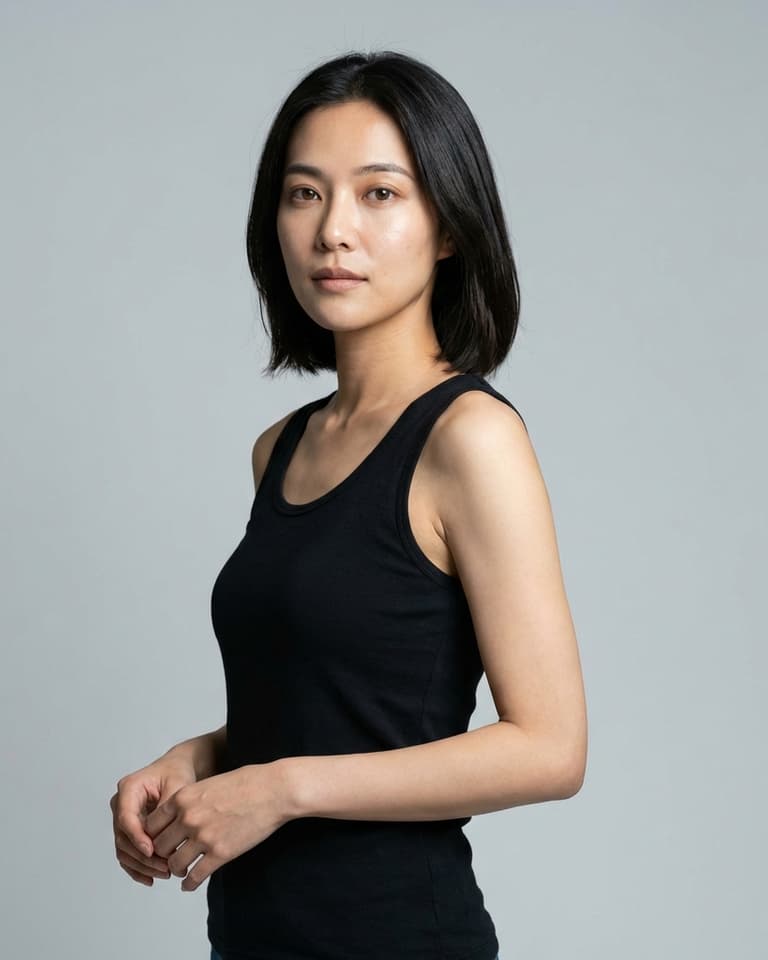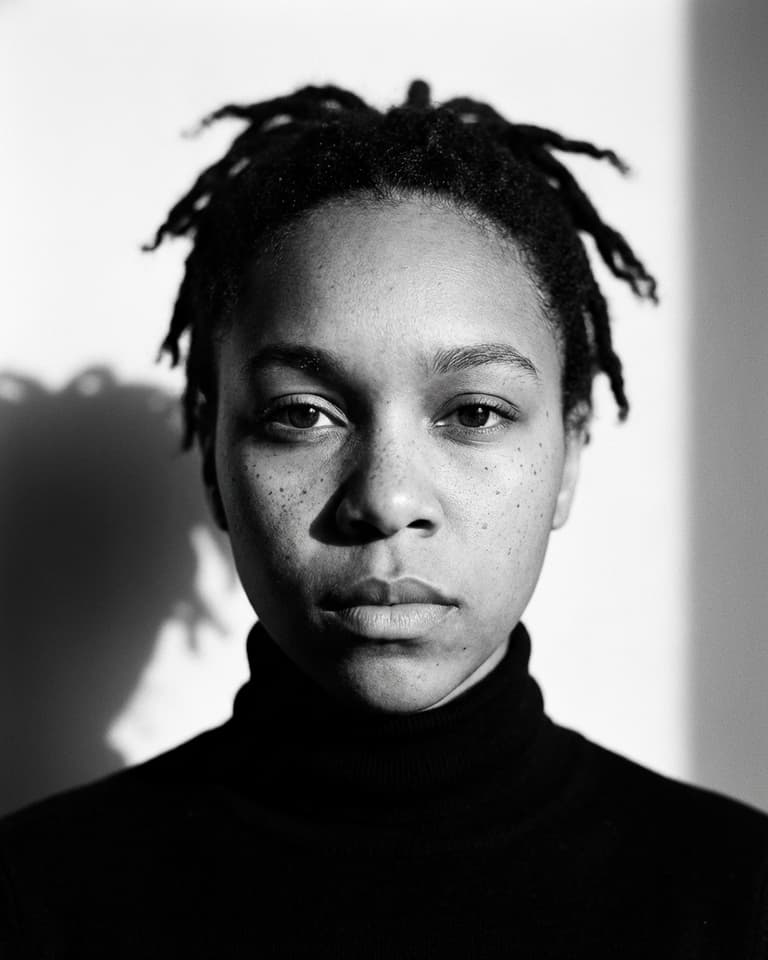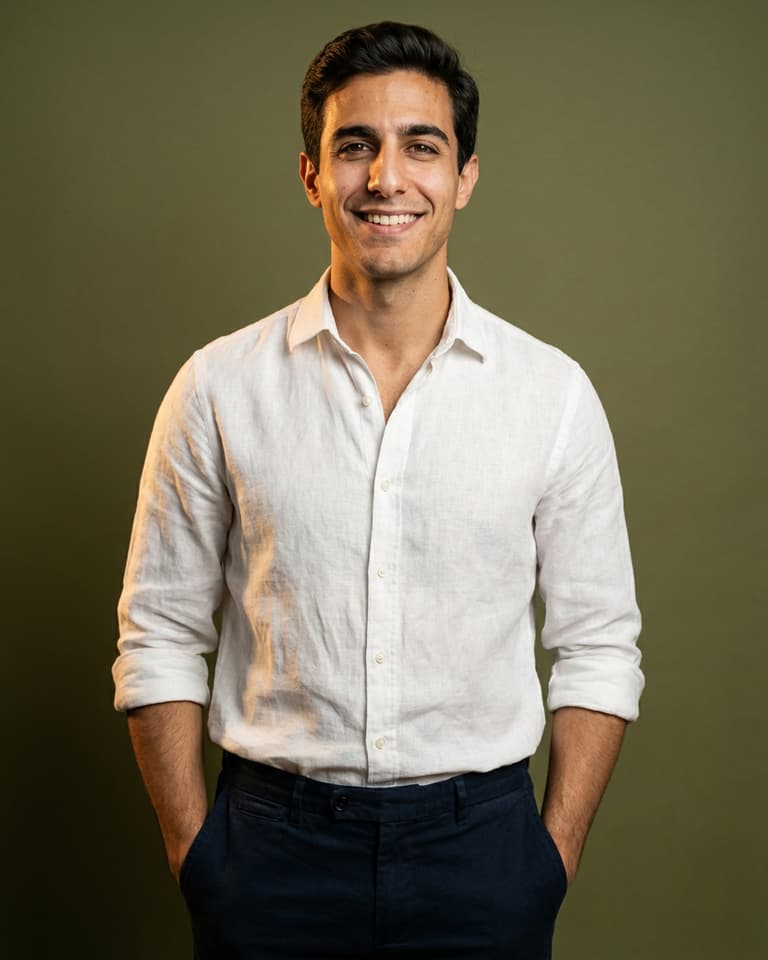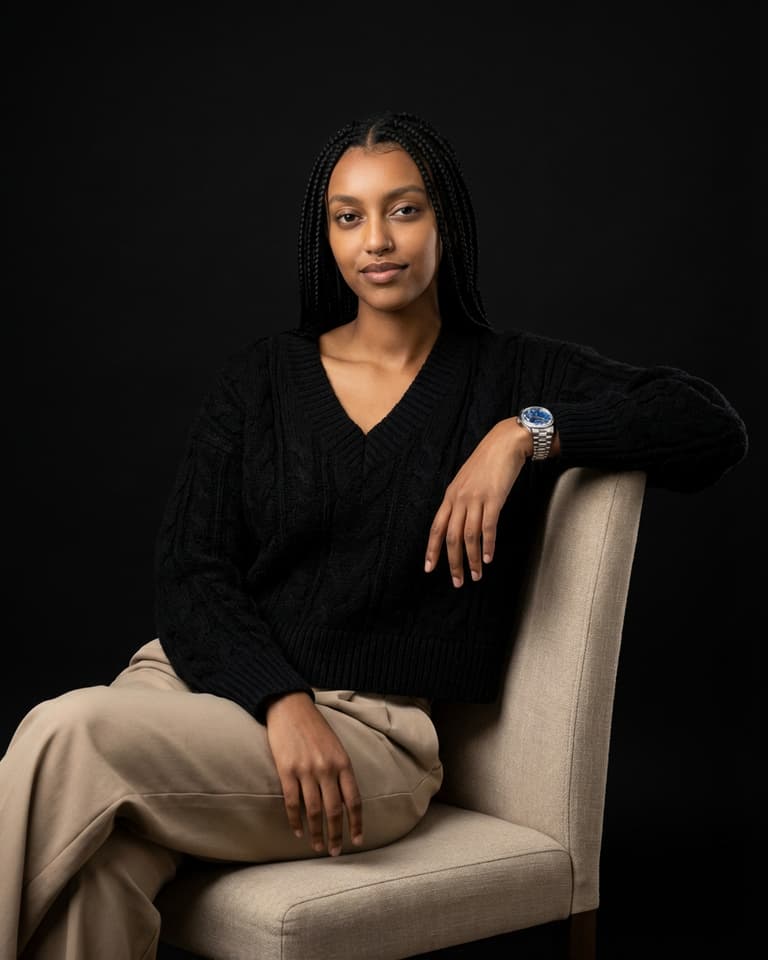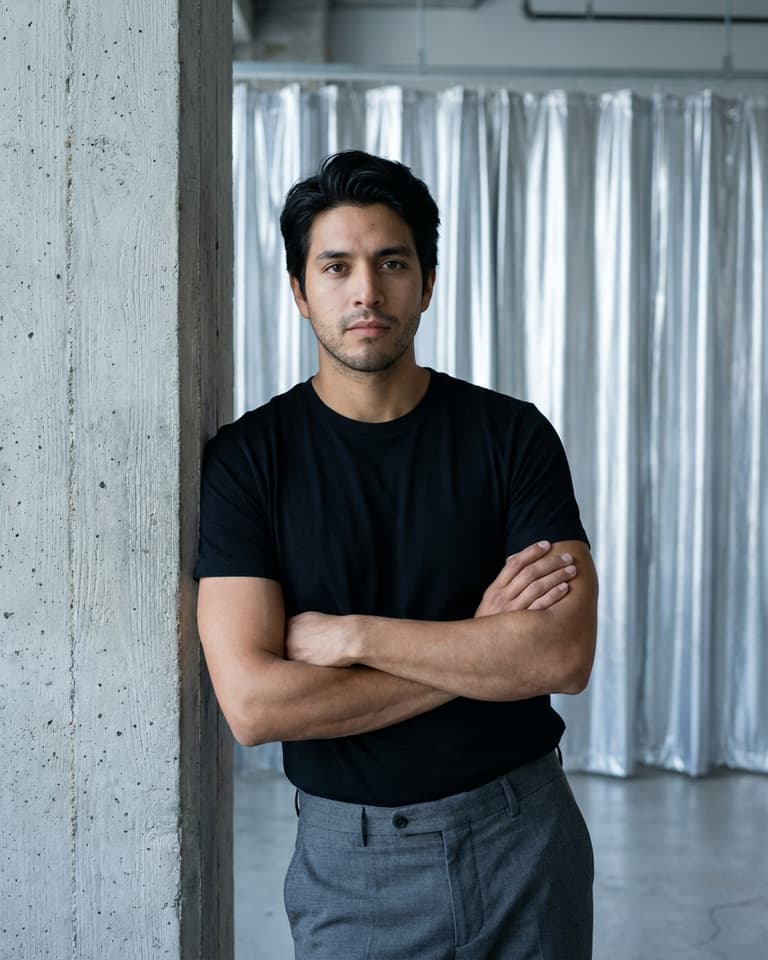

Actor headshots
How to build actor headshots that feel castable and current
A strong actor headshot helps casting teams understand you in seconds. The goal is not to look generic or over-produced. The goal is to look specific, truthful, and ready to be cast. This guide walks through styling, expression, and image selection so your final set feels focused.
- Lead with your most bookable lane first. - Use wardrobe to support character energy, not distract from it. - Build a small, intentional set rather than a large mixed gallery.
Start with casting clarity

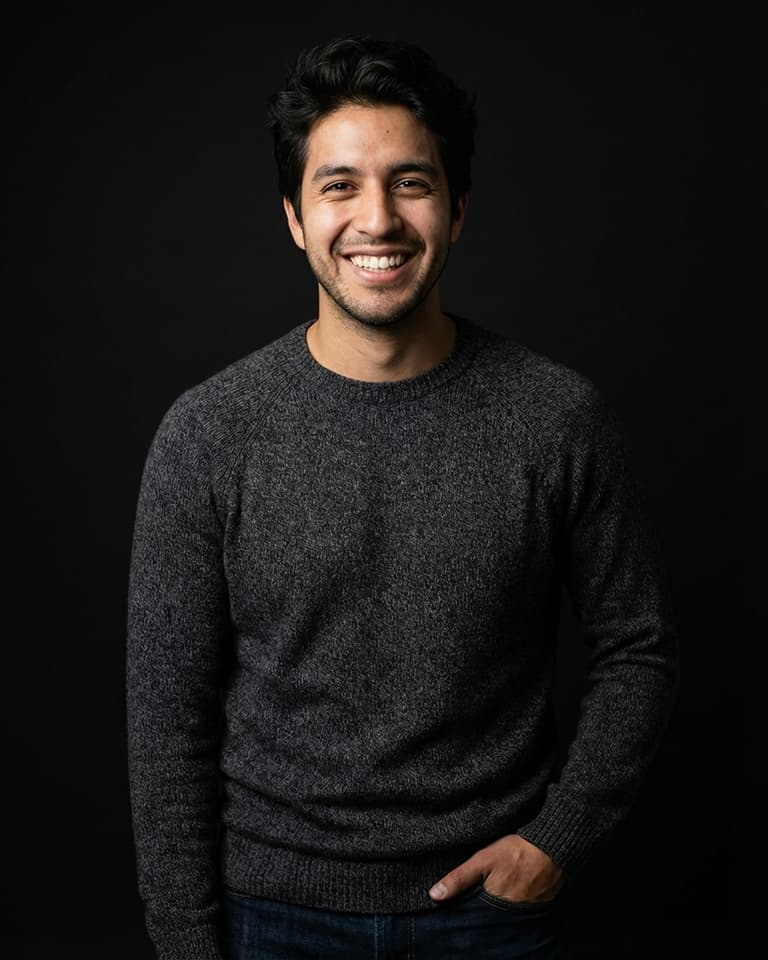
Your first image should answer one question quickly: where are you most castable right now? That does not limit your future range; it gives casting teams an immediate, useful read. Once your anchor look is clear, add supporting looks that show adjacent range without pulling into unrelated character types.

Wardrobe for actor headshots and acting headshot examples

Choose wardrobe that hints at tone and world without becoming costume. Solid layers, clean textures, and intentional color contrast usually make expressions easier to read. A practical set often includes three lanes: grounded professional, contemporary casual, and one bolder look that still feels natural for your brand.

Background and lighting choices casting teams prefer

Actor headshots work best when eyes and expression are the focus. Soft, controlled lighting and unobtrusive backgrounds keep attention on performance potential, not visual effects. If a background or grade feels too stylized, save it for editorial use and keep your primary submission image cleaner.

Expression range without over-performing

Range in actor headshots comes from subtle emotional shifts, not exaggerated posing. Capture warm, neutral, and intensity-forward options with believable transitions. If an expression feels pushed for camera, it often reads less castable. Aim for photos that feel alive and specific, not performative.

How to choose your final actor headshot set

Use this final filter when narrowing your set:

  • One anchor image for primary submissions
  • Two to three supporting looks with clear purpose
  • No duplicate images with minor expression changes
  • No look that conflicts with your core casting read

A tighter set of actor headshot examples is easier for reps and casting teams to use quickly.

Visual examples from this pack
Frequently asked questions
How many actor headshots should I submit?

One primary image plus two to three supporting looks is a strong starting point for most actors.

Should I keep separate theatrical and commercial looks?

Often yes. If your submission targets differ in tone, separate looks can make your materials easier to place quickly.

How much retouching is acceptable for actor headshots?

Use light retouching only. Casting teams need a truthful image that still matches how you look in person.

How often should actor headshots be updated?

Update whenever your look, casting lane, or materials shift meaningfully, and review at least once every 12 to 18 months.

Ready to refresh your actor headshots?
Generate casting-ready options, organize a focused final set, and update your submission materials with confidence.